
What Are the Key Features to Consider When Choosing a Home Oxygen Concentrator?
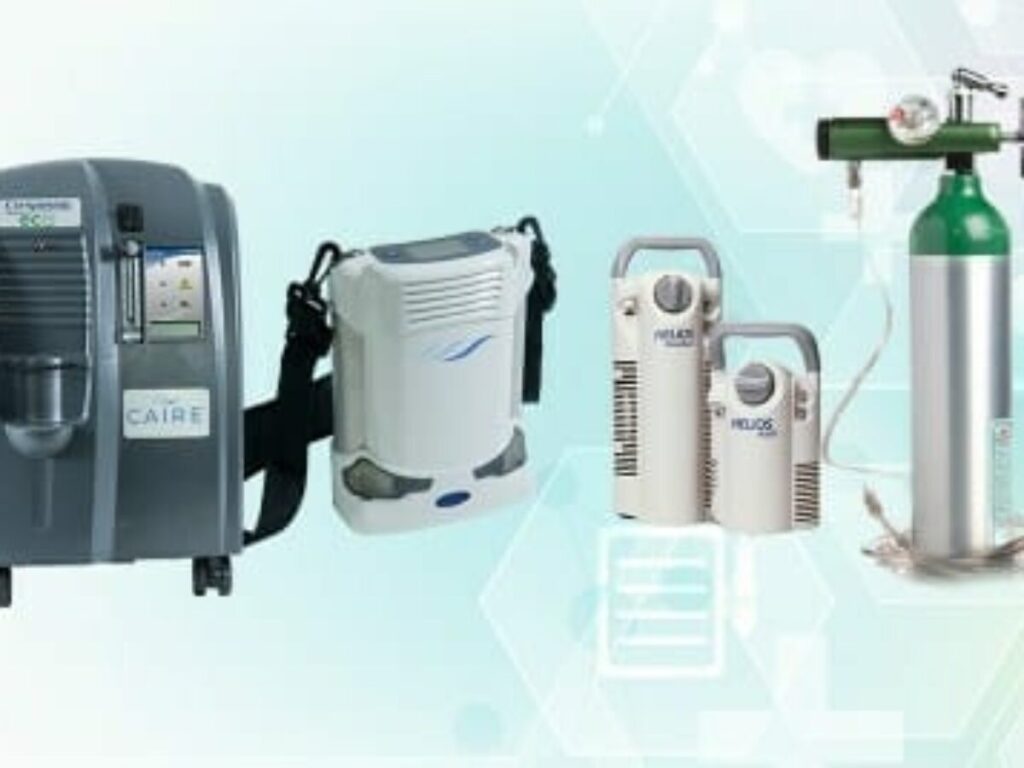
A home oxygen concentrator is an electric medical device that extracts oxygen from ambient room air and delivers it at concentrated levels to users who require supplemental oxygen therapy. Unlike traditional oxygen tanks that need constant refilling, these devices provide a continuous, reliable supply of oxygen simply by plugging into a standard electrical outlet.
Choosing a home oxygen concentrator requires careful evaluation of multiple technical and practical factors. The right device must meet your specific medical requirements while fitting seamlessly into your daily routine and lifestyle. Choosing oxygen concentrator features that align with your needs ensures effective therapy and long-term satisfaction.
This guide examines the 7 most important features that matter when selecting a home oxygen concentrator:
- Oxygen purity and delivery stability
- Flow rate capacities
- Noise levels
- Ease of use
- Portability features
- Comfort-enhancing components
- Safety measures and certifications
Understanding these critical elements helps you make an informed decision that supports both your health needs and quality of life.
1. Why Are Oxygen Purity and Delivery Stability Important in Home Oxygen Concentrators?
Oxygen purity and stable oxygen delivery directly determine whether your therapy will effectively support your respiratory needs. Medical-grade oxygen concentrators must maintain consistent oxygen concentration levels to ensure your body receives adequate oxygenation for cellular function and organ health.
Reliable home oxygen concentrators deliver oxygen at approximately 93% ±3% purity, which meets medical standards for supplemental oxygen therapy. This concentration range ensures therapeutic effectiveness while accounting for normal device variations. Lower purity levels can compromise treatment outcomes, while inconsistent delivery may leave you struggling during periods of increased oxygen demand.
The Significance of Sensors and Alarms
Quality devices incorporate oxygen sensing technology with both visual and audible alarms to protect users from potentially dangerous situations. These safety features continuously monitor oxygen concentration levels and alert you immediately when:
- Oxygen purity drops below the safe therapeutic threshold
- The device experiences mechanical issues affecting output
- Filter maintenance becomes necessary
- Power supply interruptions occur
Without these monitoring systems, you might unknowingly receive insufficient oxygen, which could lead to hypoxemia symptoms like dizziness, confusion, or shortness of breath. The presence of real-time monitoring transforms your concentrator from a simple oxygen source into a medically reliable device that actively safeguards your health throughout daily use.
Moreover, the importance of oxygen purity extends beyond mere numbers; it has profound implications on the overall health outcomes of patients relying on such devices. A study published in ScienceDirect highlights how maintaining optimal oxygen concentrations can significantly improve patient recovery rates and overall well-being.
2. How Do Flow Rate Capacities Impact the Performance of Home Oxygen Concentrators?
Flow rate capacity determines how much oxygen your device delivers per minute, measured in liters per minute oxygen flow. Most home oxygen concentrators provide flow rates ranging from 1 to 5 liters per minute, with your prescription specifying the exact amount needed for your condition.
Continuous Flow vs. Pulse Dose Delivery
Continuous flow delivers a steady stream of oxygen regardless of your breathing pattern, making it ideal for users who need oxygen during sleep or have irregular breathing patterns. Pulse dose delivery releases oxygen only when you inhale, conserving battery life and making devices more portable. Some advanced models like the Zen-O Eclipse 5 offer both modes, providing flexibility for different activities throughout the day.
Matching Flow Rate to Your Needs
Your doctor’s prescription serves as the primary guide for selecting appropriate flow rate capacity. Users requiring higher doses (4-5 liters per minute) typically need stationary concentrators, while those prescribed lower rates (1-3 liters per minute) can often use portable units. Consider future needs as well—conditions may progress, requiring higher oxygen levels. Choosing a device with adjustable settings allows you to increase flow rates if your prescription changes without purchasing new equipment.
3. Why Should Users Pay Attention to Noise Levels When Selecting a Home Oxygen Concentrator?
Noise level directly affects quality of life, particularly during rest periods and nighttime use. A device producing excessive sound can interfere with sleep cycles, disrupt conversations, and make watching television or reading uncomfortable. Users who require 24/7 oxygen therapy spend significant time near their concentrators, making quiet oxygen concentrator models essential for maintaining normalcy in daily routines.
Understanding Noise Levels in Oxygen Concentrators
Stationary oxygen concentrators typically generate between 40-50 decibels during operation, roughly equivalent to a quiet library or soft conversation. The Philips EverFlo, for instance, operates at approximately 40 decibels, making it one of the quieter stationary options available. These units contain larger compressors and cooling systems, which can produce more ambient noise despite sound-dampening technology.
Portable oxygen concentrators often run quieter than their stationary counterparts, with many models operating below 40 decibels. The compact design and smaller internal components contribute to reduced sound output. The Inogen Rove 6 produces minimal operational noise, allowing users to maintain discretion in public settings and social situations.
Tips for Evaluating Noise Levels
When evaluating noise level specifications, consider the environment where you’ll primarily use the device:
- Bedroom placement requires quieter models
- Daytime-only use in living spaces may tolerate slightly higher decibel levels
Testing devices in-person before purchase provides the most accurate assessment of whether a particular model’s sound output suits your tolerance and living situation.
4. How Does Ease of Use Influence the Overall Experience with a Home Oxygen Concentrator?
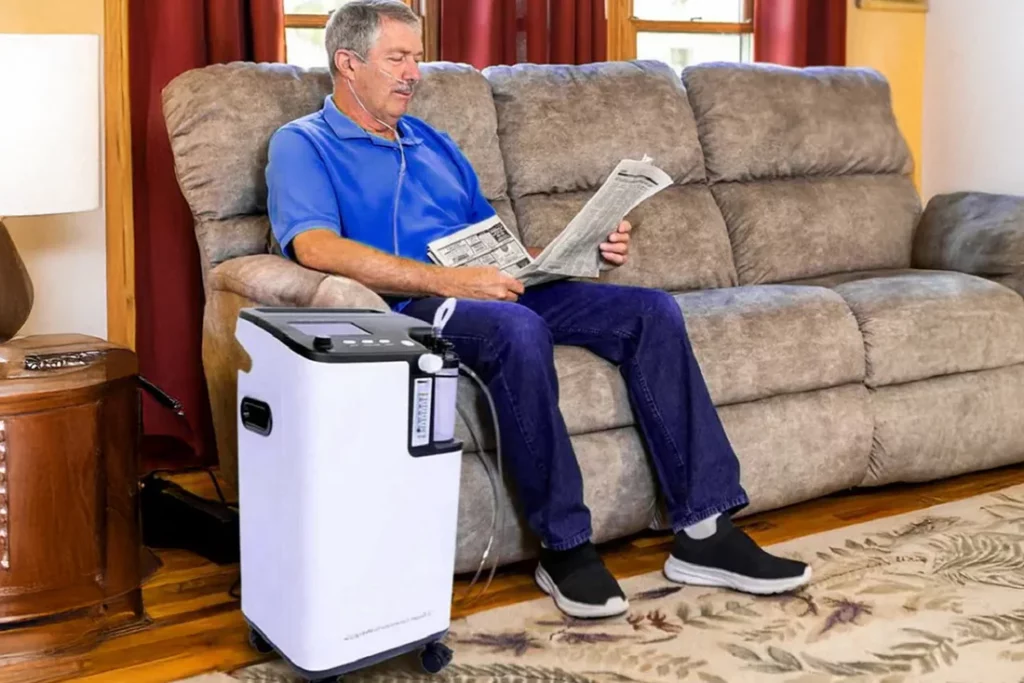
Ease of use directly determines whether patients can manage their oxygen therapy independently and confidently. Complex controls or confusing interfaces create unnecessary stress and may lead to improper device operation, potentially compromising treatment effectiveness.
Modern oxygen concentrators incorporate intuitive user controls that simplify daily management. LCD touch screens display critical information at a glance—current flow settings, battery status, and operational hours—eliminating guesswork. Simple button layouts allow users to adjust settings without consulting manuals repeatedly.
Visual and audible alarms serve as essential safety features that require no technical knowledge to understand. When oxygen purity drops or the device detects a malfunction, clear alerts notify users immediately. These warnings prove particularly valuable for elderly patients or those with cognitive challenges who need straightforward feedback about their equipment’s status.
Accessible humidifier bottles represent another crucial convenience factor. Devices with front-facing or top-mounted bottles allow users to refill water without moving the concentrator or disconnecting tubing. Integrated handles on stationary models enable easier repositioning during cleaning or room changes.
Protected cannula fittings prevent accidental disconnections during movement, while resettable circuit breakers eliminate the need for professional intervention during minor electrical issues. These thoughtful design elements reduce dependency on caregivers and maintenance technicians, empowering users to handle routine tasks independently. Such design considerations not only enhance user experience but also significantly improve patient adherence to prescribed oxygen therapy regimes. You may like to visit https://www.aihw.gov.au/reports/corporate-publications/oxygen-concentrators/contents/summary to get more about oxygen concetrators.
5. What Portability Features Should Be Considered for Travel-Friendly Home Oxygen Concentrators?
Portability factors determine whether you can maintain an active lifestyle beyond your home. Stationary units weigh between 18-26 kg, making them suitable only for fixed locations, while portable models range from 2.2-2.6 kg—light enough to carry throughout your day.
A lightweight oxygen concentrator becomes essential if you plan to travel, visit family, or simply move between rooms. The Inogen Rove 6, weighing approximately 2.2 kg, exemplifies how modern portable units balance functionality with mobility. This weight difference isn’t just about convenience; it directly impacts your independence and quality of life.
Battery life stands as another critical portability consideration. Rechargeable batteries in devices like the Philips SimplyGo Mini allow hours of operation away from power outlets. Some models feature eco modes that extend battery duration by intelligently managing power consumption based on your breathing patterns.
FAA approval matters for frequent travelers. Devices certified for air travel, such as the Inogen Rove 6, eliminate the stress of coordinating oxygen supplies during flights. Multiple power options—AC adapters, DC car chargers, and battery packs—provide flexibility across different settings.
Size and carrying options also affect daily usability. Integrated handles, shoulder straps, and compact designs allow you to transport your device without assistance, preserving your autonomy during errands, appointments, or social activities.
6. Which Additional Components Can Enhance Comfort During Use with a Home Oxygen Concentrator?
Humidifier bottles transform the oxygen therapy experience by adding moisture to the concentrated oxygen stream. Dry oxygen can irritate nasal passages, throat, and airways during extended use, causing discomfort that may discourage consistent therapy adherence.
Integrated humidifier bottles address this issue by bubbling oxygen through water before delivery, creating a more comfortable breathing experience. Models like the Philips EverFlo feature accessible humidifier bottle stands that simplify refilling and maintenance. The bottle’s positioning matters—devices with easy-access designs reduce the hassle of daily water changes.
When choosing a home oxygen concentrator, look for these humidifier features:
- Tool-free bottle removal for quick refilling without technical assistance
- Clear water level indicators to monitor when refills are needed
- Secure mounting systems that prevent accidental disconnection
- Large capacity bottles that reduce refilling frequency
Respiratory device compatibility expands treatment options for users with multiple conditions. Some concentrators include nebulizer outlets, allowing simultaneous medication delivery without switching equipment. Devices like the Zen-O Eclipse 5 offer compatibility with CPAP machines, benefiting users who require both oxygen therapy and sleep apnea treatment.
This integration eliminates the need for multiple devices cluttering living spaces while ensuring comprehensive respiratory support through a single power source.
See Also : Why an Oxygen Concentrator Is Essential for Long-Term Respiratory Support
7. What Safety Measures Should Buyers Look For in Reliable Home Oxygen Concentrators?
FDA registration and equivalent medical device approvals serve as your primary indicators of a concentrator’s safety and reliability. Devices with these certifications have undergone rigorous testing to meet strict performance standards, ensuring they deliver consistent oxygen therapy without compromising user safety.
Medical device approvals vary by region—FDA registration in the United States, CE marking in Europe, or TGA approval in Australia—but all signify that the equipment has passed essential safety evaluations. Purchasing a non-certified device exposes users to significant health risks, including inconsistent oxygen delivery and potential equipment failures.
Built-in safety alarms represent another critical protective feature. Quality concentrators include multiple alarm systems that monitor:
- Low oxygen purity alerts that trigger when concentration drops below therapeutic levels (typically below 82%)
- Power failure notifications to warn users of electrical interruptions
- High-temperature warnings indicating potential overheating or mechanical issues
- System malfunction indicators that detect internal component failures
These alarms typically combine both visual displays and audible signals, ensuring users receive immediate notification regardless of their activity. Some advanced models feature remote monitoring capabilities, allowing healthcare providers or family members to receive alerts about potential safety concerns. The presence of these alarm systems transforms your concentrator from a simple medical device into a comprehensive safety monitoring system.
Conclusion
Choosing the right home oxygen concentrator involves finding a balance between technical specifications and your specific needs. The seven features discussed—oxygen purity, flow rate capacity, noise levels, ease of use, portability, comfort components, and safety measures—are essential for making an informed decision.
Your daily activities, mobility needs, and prescribed oxygen therapy will determine which features are most important to you. For example, someone who travels frequently will require different capabilities compared to someone using oxygen primarily at home. It becomes easier to choose a home oxygen concentrator when you align the device specifications with your lifestyle instead of solely focusing on the features.
Make sure to consult your healthcare provider to ensure that the concentrator meets your medical requirements while also supporting your quality of life.