
What is an Oxygen Concentrator and How Does It Work?
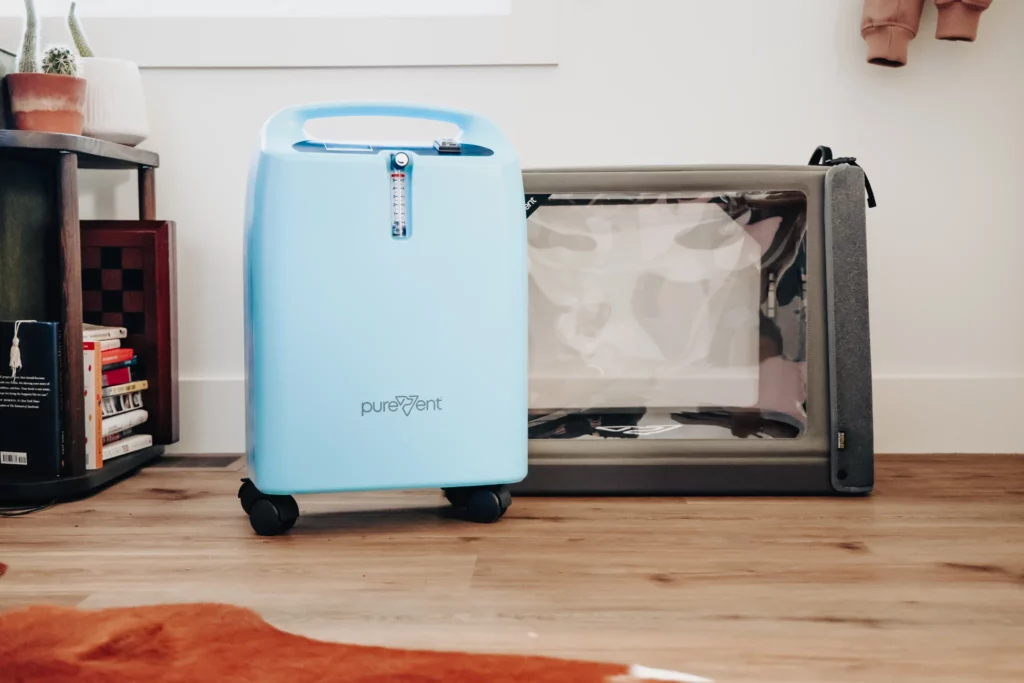
An oxygen concentrator is a medical device that extracts oxygen from ambient air and delivers it at higher concentrations to patients requiring supplemental oxygen therapy. These devices serve as a reliable, continuous source of oxygen for individuals with chronic respiratory conditions who need long-term respiratory support.
The oxygen concentrator mechanism operates through a sophisticated filtration process. The device pulls in room air, which naturally contains about 21% oxygen and 78% nitrogen. Through a process called pressure swing adsorption, the concentrator filters out nitrogen molecules using specialized filters called molecular sieves. This ambient air filtration system then delivers oxygen at concentrations ranging from 87% to 95% directly to the patient.
Types of Oxygen Concentrators
Two main categories exist to meet different patient needs:
- Stationary units: Larger devices designed for home use, typically weighing 30-50 pounds and capable of delivering higher flow rates (5-10 liters per minute)
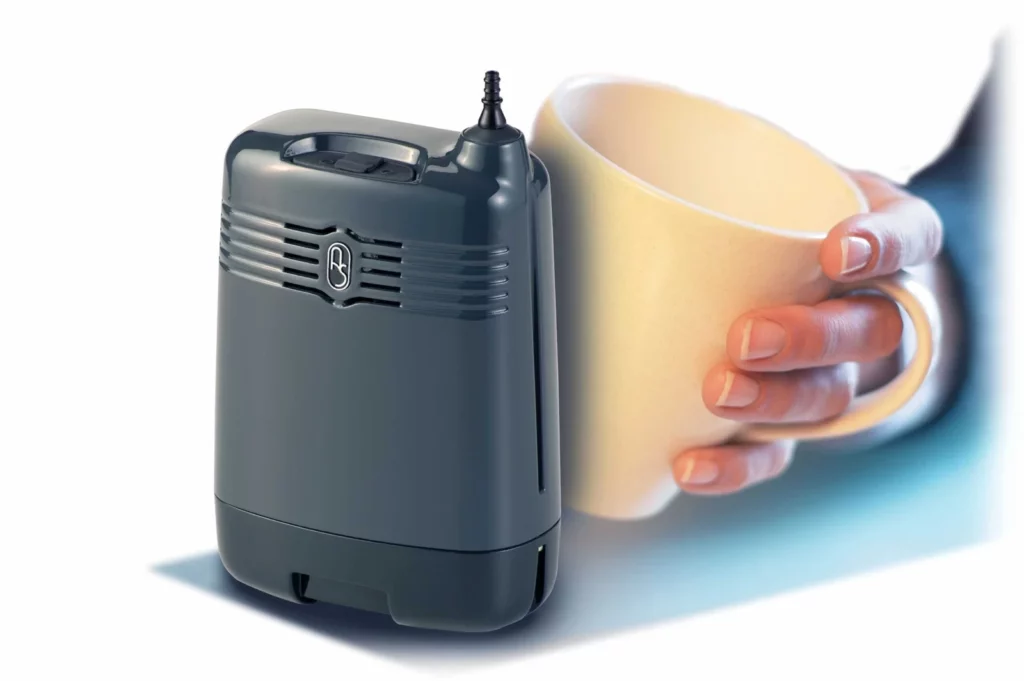
- Portable units: Lightweight, battery-operated devices weighing 5-15 pounds that allow patients to maintain mobility while receiving therapy
Oxygen Delivery Methods
Supplemental oxygen delivery reaches patients through several methods:
- Nasal cannula: Soft plastic prongs that fit into the nostrils, most common for continuous therapy
- Oxygen tubing: Connects the concentrator to the delivery device, available in various lengths
- Face masks: Used when higher oxygen concentrations are needed
- Transtracheal catheters: Inserted directly into the trachea for specific medical situations
The choice of delivery method depends on the prescribed flow rate, patient comfort, and lifestyle requirements. Each system ensures patients receive the precise amount of oxygen needed to maintain healthy blood oxygen saturation levels throughout their daily activities.
Why Is Long-Term Respiratory Support Necessary for Chronic Respiratory Conditions?
Chronic respiratory conditions damage the lungs’ ability to transfer oxygen into the bloodstream efficiently. Diseases like COPD, severe asthma, and recurrent pneumonia create lasting impairments that prevent adequate oxygenation even during rest.
Which Conditions Most Commonly Require Oxygen Support?
COPD (Chronic Obstructive Pulmonary Disease) stands as the leading cause for long-term oxygen therapy, affecting millions who experience progressive lung tissue damage. The disease destroys air sacs and narrows airways, making oxygen exchange increasingly difficult.
Severe asthma patients may need supplemental oxygen when their condition becomes uncontrolled, particularly during acute exacerbations or when airway inflammation persists despite medication.
Chronic pneumonia and interstitial lung diseases create scarring and inflammation that thickens the barrier between air sacs and blood vessels, blocking oxygen absorption.
What Happens When Blood Oxygen Levels Drop Too Low?
Hypoxemia triggers a cascade of harmful effects throughout the body. The brain, which consumes roughly 20% of the body’s oxygen supply, suffers first with symptoms including:
- Confusion and memory problems
- Difficulty concentrating
- Mood changes and irritability
- Impaired judgment
The heart compensates by pumping faster and harder, leading to strain, irregular rhythms, and potential heart failure over time. Kidneys reduce function, muscles weaken, and cellular metabolism slows across all organ systems.
How Does Supplemental Oxygen Address Respiratory Insufficiency?
Supplemental oxygen directly addresses respiratory insufficiency by increasing the concentration of oxygen available for absorption. When lungs cannot extract enough oxygen from normal air (which contains 21% oxygen), concentrators deliver 87-95% pure oxygen.
This elevated concentration compensates for damaged lung tissue, allowing sufficient oxygen to reach the bloodstream despite impaired lung function. Maintaining saturation levels between 94-98% protects organs from hypoxic damage and prevents the body from working overtime to compensate for oxygen deficits.
How Does an Oxygen Concentrator Improve Patients’ Quality of Life?
Oxygen concentrators directly enhance daily living by maintaining improved oxygen saturation between 94-98%, which allows the body to function at its optimal capacity. When blood oxygen reaches these healthy levels, patients experience tangible improvements across multiple aspects of their health and well-being.
Vital Organ Support
The brain and heart benefit immediately from consistent oxygen delivery. The brain requires approximately 20% of the body’s oxygen supply to maintain cognitive functions, memory, and mental clarity. When oxygen saturation remains stable, patients notice sharper thinking and better concentration. The heart works more efficiently with adequate oxygen, reducing strain on cardiac muscles and decreasing the risk of complications like arrhythmias or heart failure.
Energy Levels and Physical Stamina
Patients using oxygen concentrators report significant reductions in chronic fatigue. Cells throughout the body depend on oxygen to produce ATP (adenosine triphosphate), the primary energy currency for all bodily functions. With consistent organ support through supplemental oxygen, muscles receive the fuel they need for movement and daily activities. Simple tasks like walking, cooking, or personal care become manageable rather than exhausting.
Sleep Quality Enhancement
Sleep quality improves dramatically when oxygen levels remain stable throughout the night. Many respiratory patients struggle with sleep disruptions caused by oxygen desaturation during rest. Oxygen concentrators prevent nighttime hypoxemia, reducing episodes of gasping, restless sleep, and morning headaches. Better sleep translates to improved mood, mental alertness, and physical recovery. This is crucial because sleep plays a vital role in overall health and well-being.
Daily Functioning Restoration
The cumulative effect of stable oxygen levels allows patients to reclaim independence in their daily routines. Activities that once seemed impossible—attending social gatherings, pursuing hobbies, or spending time with family—become achievable goals. This restoration of normalcy provides psychological benefits that complement the physical improvements from oxygen therapy.
When Is Oxygen Therapy Prescribed and How Is It Monitored?
Oxygen therapy is prescribed when a patient’s blood oxygen saturation falls below 88% during rest or activity. Healthcare providers use pulse oximetry or arterial blood gas tests to measure oxygen levels and determine if supplemental oxygen is necessary.
How Is Oxygen Therapy Prescribed?
The prescription for oxygen therapy includes specific details tailored to each patient’s needs. Doctors specify the exact flow rate in liters per minute (LPM), which usually ranges from 1 to 5 LPM for most patients. The prescription also outlines when and how long oxygen should be used each day—some patients require continuous therapy 24 hours a day, while others only need it during sleep, physical activity, or certain times when oxygen levels naturally decrease.
How Is Oxygen Therapy Monitored?
Blood oxygen saturation thresholds are used as guidelines for making adjustments throughout treatment. Healthcare professionals regularly check if the therapy maintains levels within the target range of 94-98% for most adults. Patients with specific chronic conditions may have different target ranges based on their medical situation.
Role of Healthcare Teams
Healthcare teams play an active role beyond the initial prescription. Respiratory therapists or specialized nurses visit patients’ homes to:
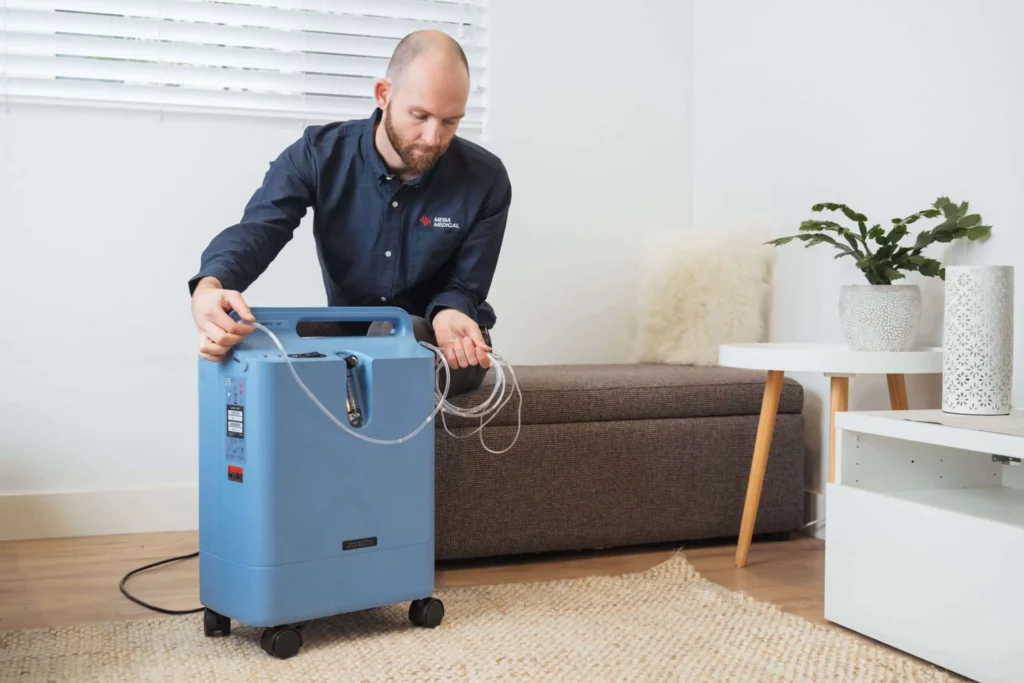
- Set up the concentrator correctly
- Demonstrate proper use of nasal cannulas or masks
- Teach patients how to read flow meters
- Explain cleaning and maintenance procedures
- Verify that the device delivers the prescribed oxygen concentration
Ongoing Monitoring
Therapy monitoring continues through regular follow-up appointments where providers assess treatment effectiveness. Patients often receive home pulse oximeters to track their own oxygen levels and report any concerning readings. Healthcare professionals adjust flow rates or usage hours based on changes in symptoms, activity levels, and oximetry results.
Medical teams also look out for signs that oxygen needs have changed—whether improvement allows reduced therapy or disease progression requires increased support. This ongoing supervision ensures why an oxygen concentrator is essential for long-term respiratory support remains grounded in current medical evidence and individual patient response.
What Safety Precautions Are Important When Using an Oxygen Concentrator?
Fire Safety Measures
Oxygen safety guidelines require strict adherence to fire prevention protocols because oxygen makes fires burn faster. Users must maintain a minimum distance of 5-10 feet from open flames, gas stoves, candles, and any heat sources. Smoking near the device creates an immediate fire hazard that can result in severe burns or property damage.
The presence of oxygen around the concentrator makes things more flammable than usual. Therefore, it is important to avoid using petroleum-based products such as lotions, lip balms, and hair sprays near the oxygen source. Additionally, alcohol-based hand sanitizers should be given enough time to completely dry before using any oxygen equipment.
Essential Maintenance Practices
To ensure optimal performance of the device and prevent bacterial growth, regular cleaning of filters is necessary. Most units require weekly filter cleaning with mild soap and water, followed by complete air drying before reinstallation. When filters are dirty, the machine has to work harder, which reduces its efficiency and may shorten its lifespan.
Tubing and nasal cannulas should be replaced every 2-3 months or sooner if they become stiff or discolored. Daily inspections of connections for cracks or loose fittings can help prevent oxygen leaks that would compromise the effectiveness of therapy.
Following Professional Guidance
Each model has specific operational parameters outlined in the manufacturer instructions, including proper voltage requirements and ambient temperature ranges. If the device is operated outside these specifications, it can cause damage to internal components or reduce the amount of oxygen being produced.
Healthcare providers determine individualized flow rates based on the needs of each patient. Adjusting these settings without consulting a medical professional can lead to insufficient oxygenation or oxygen toxicity. It is important for patients to immediately report any unusual sounds, decreased oxygen flow, or alarm indicators to their equipment provider.
Fire hazards prevention also includes following proper electrical safety practices—concentrators should be plugged directly into wall outlets instead of using extension cords. To prevent overheating and ensure adequate air intake for optimal oxygen production, it is essential to keep the device in well-ventilated areas.
How Do Oxygen Concentrators Prevent Complications From Chronic Low Oxygen Levels?
Untreated hypoxemia triggers a series of serious health complications that oxygen concentrators actively prevent. When blood oxygen levels remain consistently low, the brain receives insufficient oxygen, leading to cognitive impairment, confusion, and difficulty concentrating. The heart compensates by working harder to pump oxygen-depleted blood throughout the body, potentially causing cardiac strain, irregular heartbeats, and eventual heart failure. Kidneys, liver, and other vital organs begin to deteriorate as cellular function breaks down without adequate oxygen supply.
Physical signs of long-term low oxygen levels include:
- Cyanosis: A bluish discoloration of lips, fingernails, and skin indicating severe oxygen deprivation
- Digital clubbing: Abnormal enlargement and rounding of fingertips and nails from prolonged oxygen deficiency
- Polycythemia: Excessive red blood cell production as the body attempts to compensate for low oxygen
- Pulmonary hypertension: Elevated blood pressure in lung arteries from chronic hypoxemia
Consistent oxygen therapy through concentrators maintains blood oxygen saturation within the target range of 94-98%, effectively preventing these complications of hypoxemia. The steady oxygen supply stops the progression of cyanosis prevention becomes possible as tissues receive adequate oxygenation, restoring normal skin coloration. Digital clubbing may stabilize or partially reverse when oxygen levels normalize over extended periods.
Patients using oxygen concentrators regularly experience fewer emergency room visits and hospitalizations related to acute hypoxemic episodes. The continuous oxygen delivery prevents sudden drops in saturation that cause respiratory distress, chest pain, and severe shortness of breath. Brain function remains sharp as neurons receive consistent oxygen, eliminating the mental fog and memory problems associated with intermittent hypoxemia. Organ systems function optimally when oxygen concentrators deliver prescribed therapy as directed, creating a protective barrier against the progressive damage that untreated respiratory insufficiency inevitably causes.
Can Oxygen Concentrators Be Used Alongside Other Respiratory Therapies?
Yes, oxygen concentrators frequently work in tandem with other respiratory devices to manage complex breathing conditions. Patients with severe respiratory insufficiency often require combined respiratory treatments that address multiple aspects of their condition simultaneously.
CPAP and BiPAP Machines
CPAP (Continuous Positive Airway Pressure) and BiPAP (Bilevel Positive Airway Pressure) machines commonly pair with oxygen concentrators for patients experiencing both sleep apnea and chronic hypoxemia. The CPAP or BiPAP device maintains open airways by delivering pressurized air, while the oxygen concentrator enriches that air with supplemental oxygen. This dual approach addresses both mechanical breathing obstruction and inadequate oxygen saturation.
The integration process requires careful calibration. Healthcare providers determine the appropriate oxygen flow rate and pressure settings for each device to avoid complications. Some modern PAP machines feature built-in oxygen ports specifically designed for this purpose, allowing seamless connection between the two systems.
Key considerations for combined therapy include:
- Proper tubing connections to prevent oxygen leaks
- Adjusted flow rates that account for the pressurized air system
- Regular monitoring of oxygen saturation levels during sleep
- Device compatibility verification before combining systems
Nebulizer Treatments and Inhaled Medications
Nebulizer treatments and inhaled medications also complement oxygen concentrator therapy. Patients can receive bronchodilator treatments through nebulizers while maintaining their prescribed oxygen flow, ensuring continuous oxygenation during medication administration.
Understanding why an oxygen concentrator is essential for long-term respiratory support becomes clearer when examining these combined approaches. The concentrator serves as the foundation of oxygen therapy, while additional devices target specific respiratory challenges. Healthcare teams coordinate these multiple interventions, adjusting each component based on patient response and changing needs.
Regular follow-up appointments allow providers to assess the effectiveness of combined therapies, making adjustments to flow rates, pressure settings, or treatment schedules as the patient’s condition evolves. Check out more about Choosing a Home Oxygen Concentrator: 7 Features That Matter Most.
How to Choose the Right Oxygen Concentrator?
What factors determine the best oxygen concentrator for your needs? The prescribed flow rate stands as the most critical specification—your healthcare provider will indicate whether you need 1-5 liters per minute (LPM) for standard use or higher outputs for more severe conditions. Matching the device’s capacity to your prescription ensures effective therapy.
1. Flow Rate Capacity
Stationary units typically deliver 5-10 LPM, making them suitable for patients requiring higher oxygen volumes or continuous therapy at home. Portable concentrators usually provide 1-5 LPM through pulse dose or continuous flow settings. Pulse dose delivery releases oxygen only during inhalation, extending battery life for mobile users.
2. Portability Requirements
Your lifestyle directly influences which type serves you best. Patients who remain primarily homebound benefit from stationary models that offer unlimited runtime when plugged into electrical outlets. Active individuals requiring oxygen during daily activities need portable units weighing 5-15 pounds with battery operation lasting 2-8 hours depending on settings.
3. Noise Level Considerations
Sound output varies between 40-60 decibels across different models. Quieter units (40-45 dB) prove essential for nighttime use or shared living spaces, while slightly louder concentrators remain acceptable for daytime-only therapy.
4. Power Source and Battery Life
Portable models require rechargeable batteries, with some offering vehicle charging adapters for extended outings. Stationary units need reliable electrical connections, though backup battery systems provide security during power outages.
5. Altitude Performance
Oxygen concentrators lose efficiency at higher elevations. Patients living above 5,000 feet should verify their chosen model maintains prescribed oxygen concentrations at their specific altitude.
6. Maintenance and Warranty
Filter replacement frequency, service requirements, and warranty coverage affect long-term costs when choosing an oxygen concentrator. Models with washable filters and extended warranties reduce ongoing expenses while ensuring reliable performance.
Where to Get an Oxygen Concentrator?
To get an oxygen concentrator, you need to work with authorized medical suppliers who can verify your prescription and provide the right equipment. Usually, your healthcare provider will refer you to specific medical supply companies that handle insurance claims and arrange for delivery to your home.
1. Medical Supply Companies
Medical supply companies are the main source for oxygen concentrators. These specialized providers offer professional setup, training on how to use the device, and ongoing maintenance support. They work directly with insurance companies to process claims and make sure you receive the correct equipment based on your prescription.
2. Durable Medical Equipment (DME) Suppliers
Durable medical equipment (DME) suppliers have both rental and purchase options for oxygen concentrators. Many DME companies have relationships with multiple manufacturers, which allows them to match patients with devices that meet their specific flow rate requirements and lifestyle needs.
3. Online Retailers
Online retailers offer another way to get an oxygen concentrator, especially for patients who are paying out of pocket. Reputable online medical equipment stores have competitive prices and can ship directly to you. Before buying from an online retailer, patients should check if they are licensed, read customer reviews, and confirm warranty coverage.
4. Hospital Discharge Programs
Hospital discharge programs often arrange for oxygen concentrator delivery for patients who are moving from inpatient care to home therapy. Discharge planners connect patients with local suppliers who can deliver the equipment before the patient leaves the hospital.
No matter where you get it from, you’ll need a valid prescription from your doctor that specifies the flow rate and how long you’ll be using it in order to obtain an oxygen concentrator.
Final Thoughts on the Importance of Oxygen Concentrators for Long-Term Respiratory Support
Why an oxygen concentrator is essential for long-term respiratory support becomes clear when considering the life-sustaining role these devices play for individuals with chronic respiratory conditions. Consistent oxygen therapy protects vital organs, prevents serious complications, and dramatically improves daily functioning for those who need it.
Following your prescribed oxygen therapy plan is crucial for achieving the best results. Skipping treatments or reducing usage without medical guidance can lead to dangerous drops in blood oxygen levels, potentially causing organ damage or acute respiratory episodes. Your healthcare provider has carefully calculated your flow rate and usage hours based on your specific medical needs.
The conclusion on using an oxygen concentrator for long-term respiratory support emphasizes that these devices represent more than medical equipment—they provide independence, mobility, and quality of life. Whether using a stationary unit at home or a portable concentrator for daily activities, maintaining your therapy schedule ensures you experience:
- Sustained energy throughout the day
- Better cognitive function and mental clarity
- Improved cardiovascular health
- Enhanced ability to participate in social activities
- Reduced risk of emergency hospitalizations
Trust your medical team’s guidance, attend regular monitoring appointments, and communicate any concerns about your therapy. Proper use of your oxygen concentrator transforms respiratory support from a limitation into a pathway toward living fully despite chronic lung conditions.